This Work Matters.
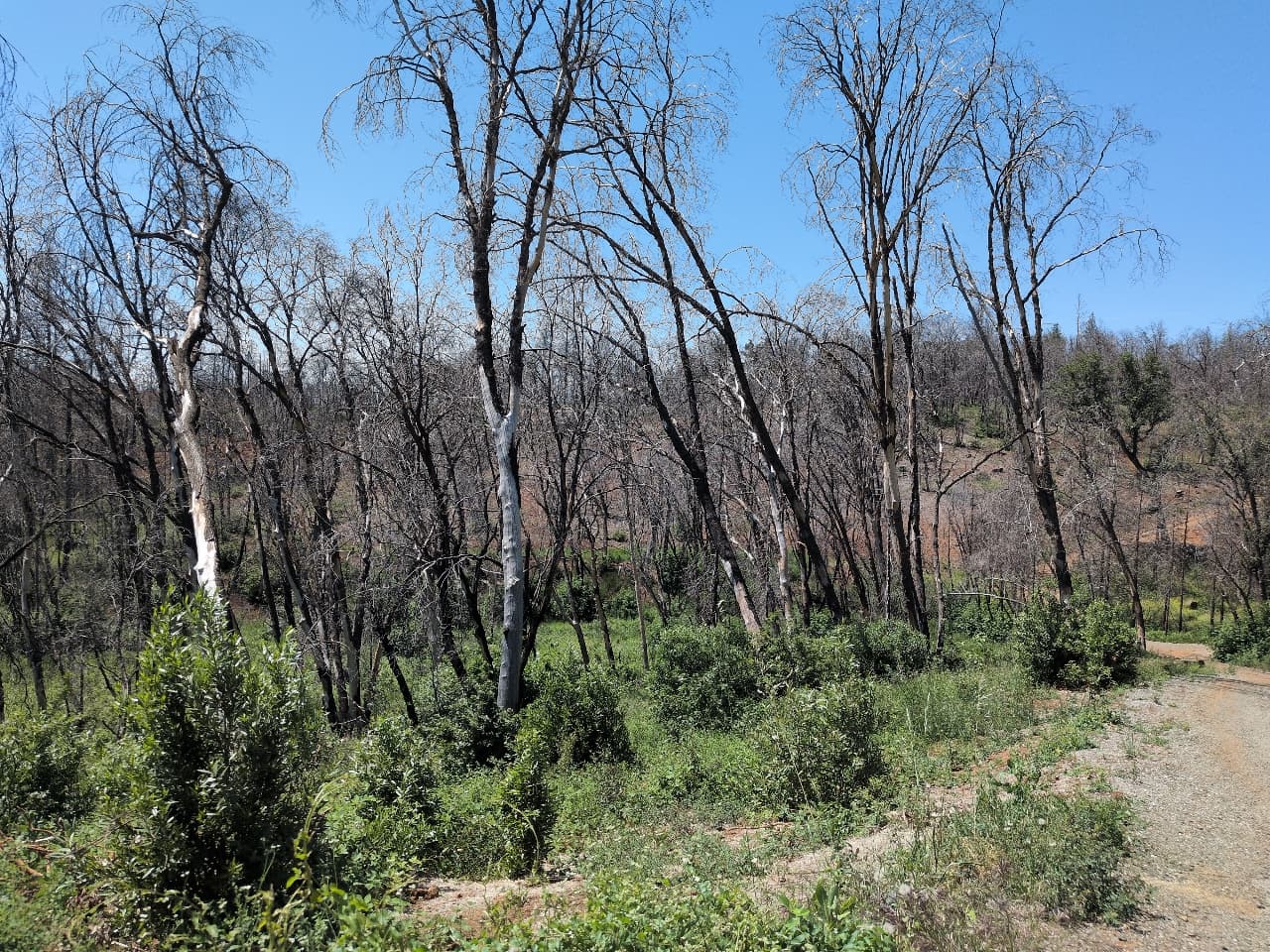
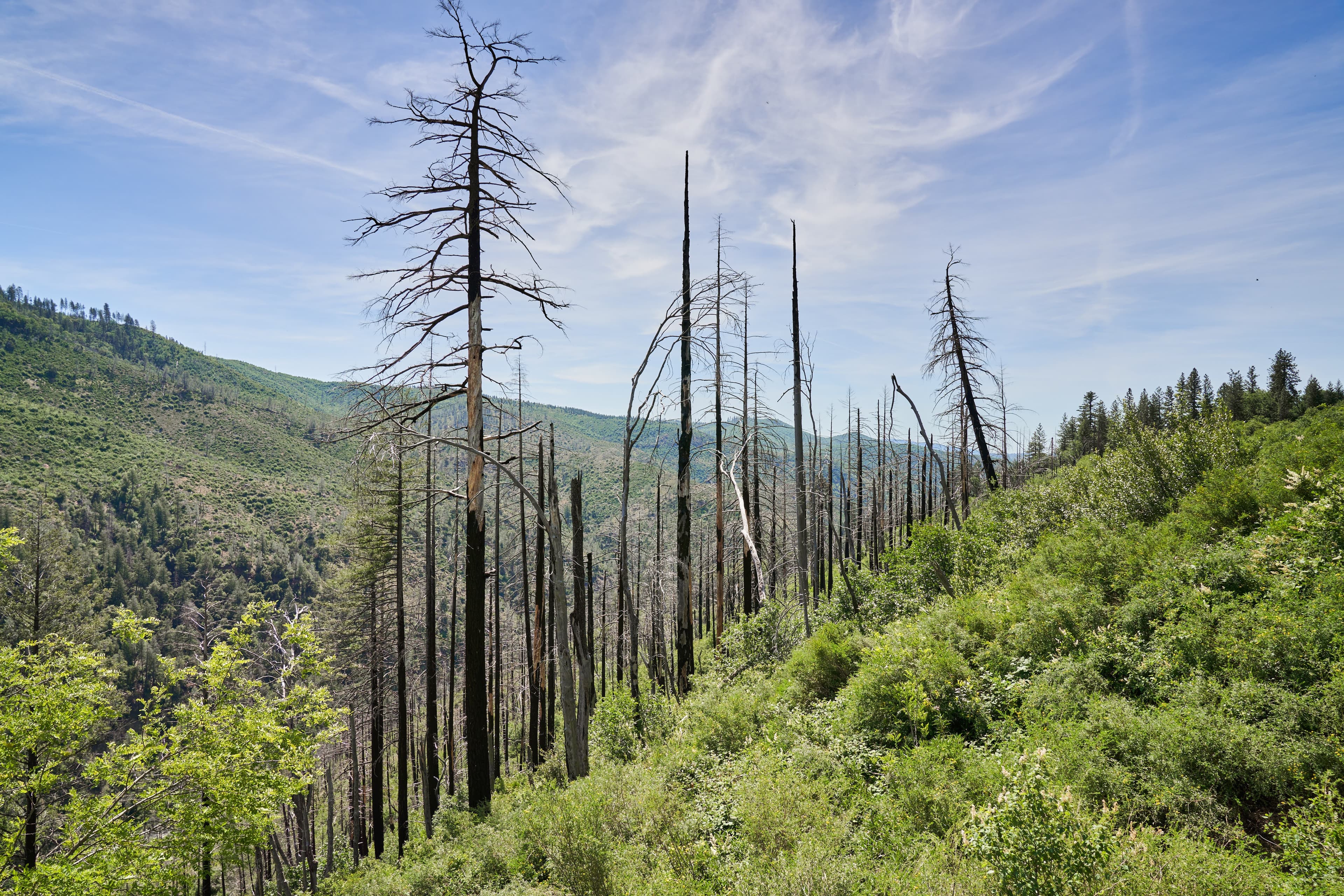
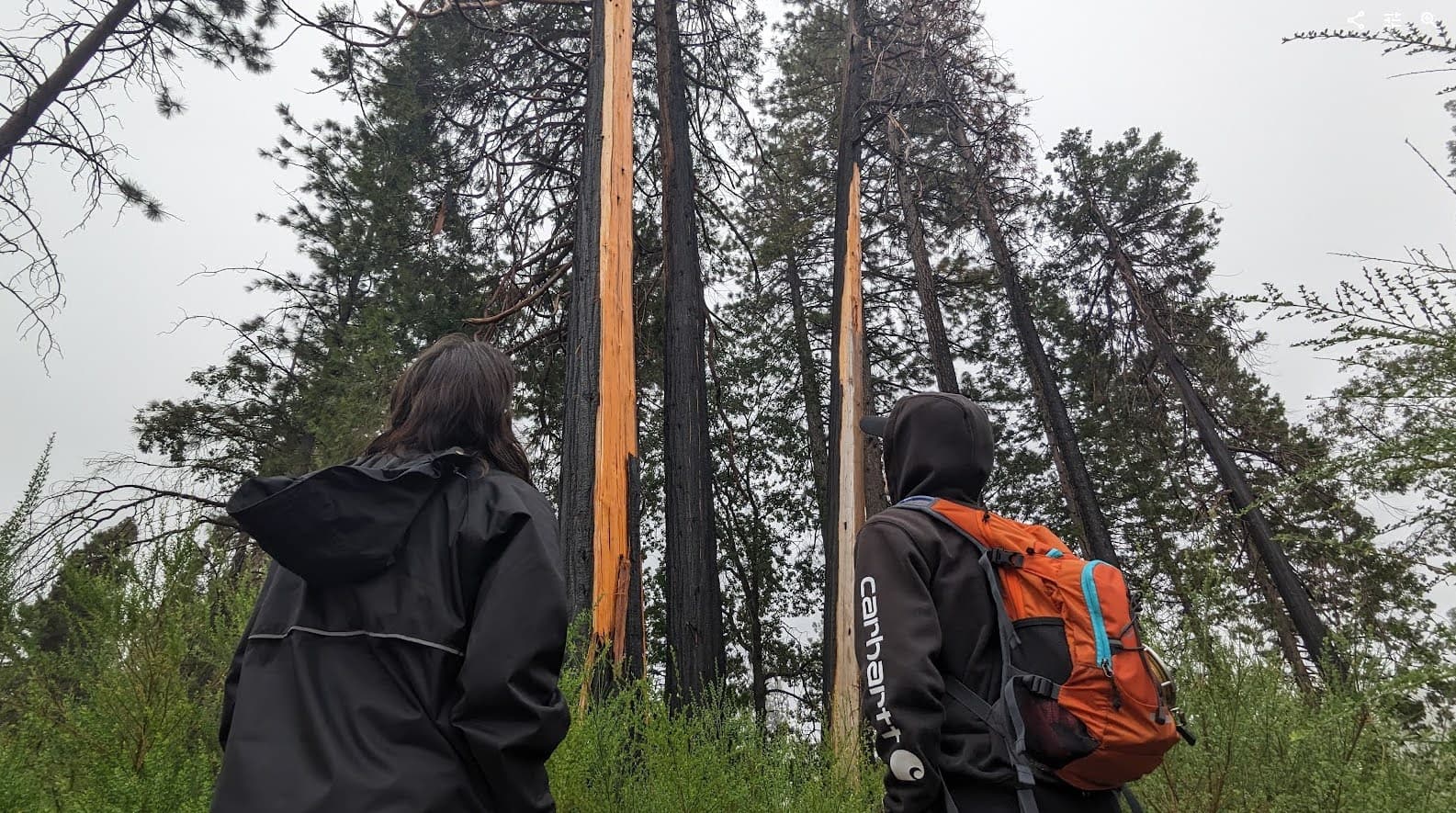
Wildfire is no longer a seasonal threat—it's a year-round crisis, and Butte County knows this reality better than most. In just six years, Butte County has experienced four of California's most destructive wildfires: the Camp Fire (2018), North Complex Fire (2020), Dixie Fire (2021), and Park Fire (2024). These devastating fires have impacted approximately 50% of our county's Wildland Urban Interface, threatening natural resources vital to California and profoundly affecting thousands of residents.
Decades of fire suppression have left our forests overstocked and fuel-loaded—now releasing more carbon in a single catastrophic burn than they've sequestered in a century. Strategic forest management is how we change that equation: shifting fire behavior away from stand-replacing megafires toward manageable burns that forests and communities can survive. Our vision is long-term and future-facing: building landscapes resilient enough to withstand the fires we know are coming.
What's at Stake?
What Can We Do?
The BCFSC is helping guide a shift toward proactive, landscape-scale solutions that integrate fire back into our land management toolset and facilitate treatments that benefit ecosystem health, protect lives, preserve forests, and build shared responsibility for long-term ecological and community resilience.

Our Forest Treatment Methods
Fuels Rearrangement
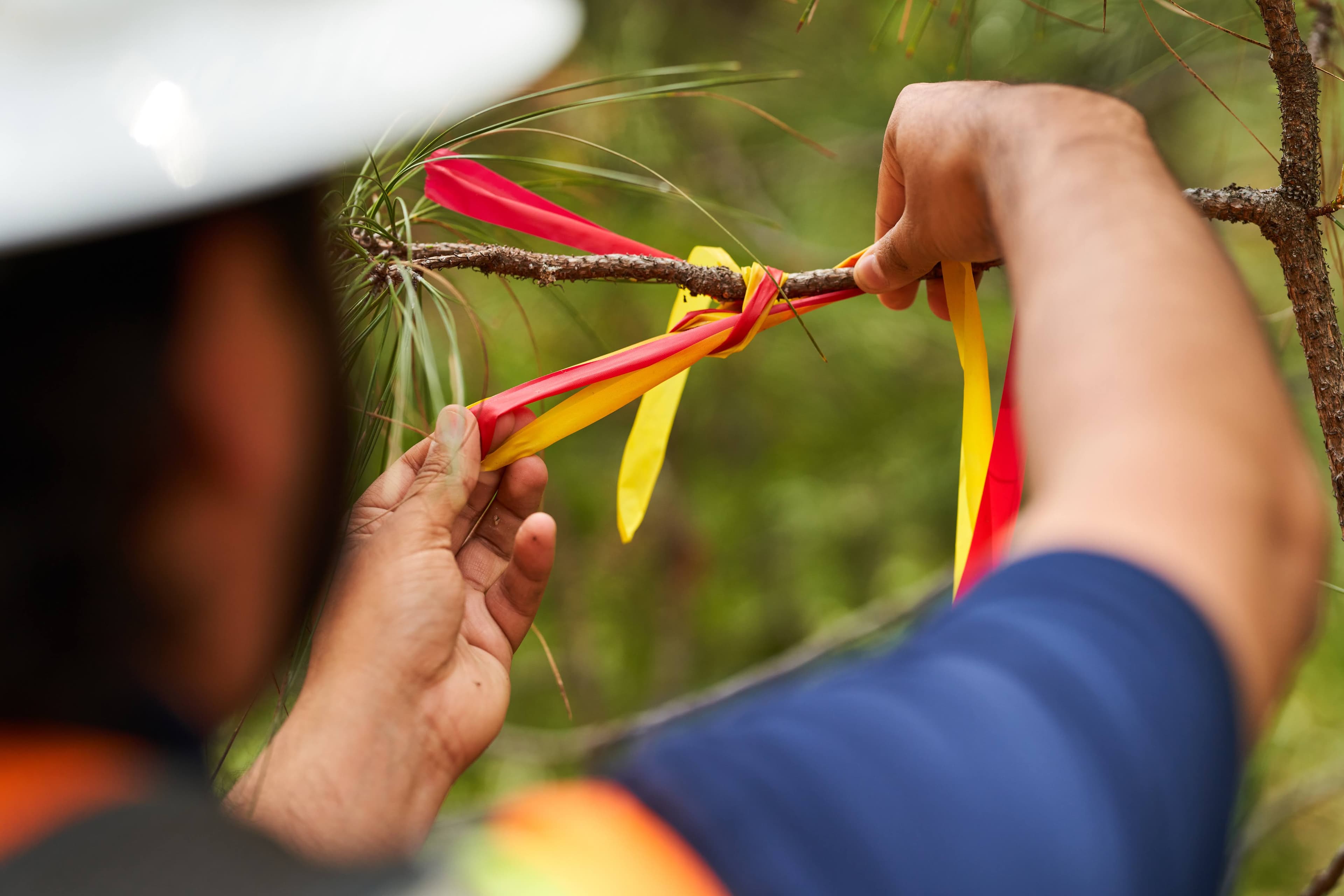
In overstocked forests, effective management begins with reducing stand density. Fuels rearrangement treatments remove excess surface fuels and smaller competing trees, relieving pressure on the broader stand and improving growing conditions for the trees that remain. This is typically the entry point for dense forests, and establishes the shaded fuel break conditions that support subsequent treatment work.
Methods include: Hand thinning, mastication, chipping, piling, and lop and scatter
Fuels Reduction
Reducing available fuels lessens competition for water, light, and nutrients, improves individual tree vigor, moderates future fire behavior, and restores the natural processes that historically maintained forest structure and long-term ecosystem function.
Methods include: Targeted grazing, beneficial fire, biomass and hazard tree removal, and invasive species removal
Restoration and Reforestation
Improving soil health, reintroducing native species, and supporting species diversity restores the structural complexity that allows forest ecosystems to regenerate after disturbance and maintain function over time.
Methods include: Replanting, leader training, coppicing, and erosion control

Our forest health work delivers measurable climate benefits by protecting carbon sequestration in healthy, managed forests and mitigating wildfire emissions by reducing fire severity and extent.
Through innovative strategies and strong partnerships with landowners, agencies, and community members, we're creating resilient landscapes and safer communities—today and for generations to come.